Blog
Summer of sport – the 1% strategy
If you love sporting events, this summer is going to be a real treat. From the FIFA World Cup to the Commonwealth Games, screens and stadiums will bring us nerve-shredding, edge-of-seat entertainment as we watch competitors go higher, faster and for longer.
The feats achieved today overshadow the achievements which were heralded as world records five, 10, 15 years ago. As the saying goes: “What seems impossible today will one day be your warmup”.
We have recently witnessed the fastest marathon time ever when Kenya’s Sabastian Sawe made history by completing the London Marathon in 1:59:30, becoming the first runner to complete a competitive marathon in under 2 hours. But how do individuals and teams continue to achieve personal bests and push the boundaries of what is possible?
The idea of incremental changes to improve performance is one that has been at the centre of British Cycling’s team philosophy – the strategy of finding a 1% margin for improvement in everything from recovery and equipment to nutrition and pedal technique.
So, what could businesses learn from the world of sport that research and development, Interface and academia could help with?
Small tweaks to your product, process or service might be what you need to take your business up a level, which could lead to a game-changing result further down the line. What is your company’s 1%?
Small changes for smoother performances
In the world of cycling, performance cycling brand Flaér were behind the world’s first chain performance system for road bicycles.
The Flaér Revo Via chain performance system applies tiny amounts of a specially developed fluid to the chain at set time intervals during the ride, so no matter what the conditions, the chain remains perfectly optimised all the time.
This unique system ensured maximum power transfer to the wheel, smoother gear shifts and a visibly cleaner transmission. The result – the athlete gets the most out of the effort put in. Extensive testing had shown up to 12 watts in power gains at the wheel – a figure which increased the longer the duration of the ride.
Chris Simpson, the Technical Director at Flaér, contacted Interface when they were in this last stage of testing as they were looking for wind tunnel facilities and associated expertise.
Interface introduced Chris to Dr Richard Green from the Department of Aerospace Sciences at the University of Glasgow to access their specialist facilities, expertise and on-going support in a cost-effective and efficient way.
Read the full case study here.
Seconds and centimetres make a difference
The amount, ratio, and timing of fuel for athletes can make the difference of seconds and centimetres at game time.
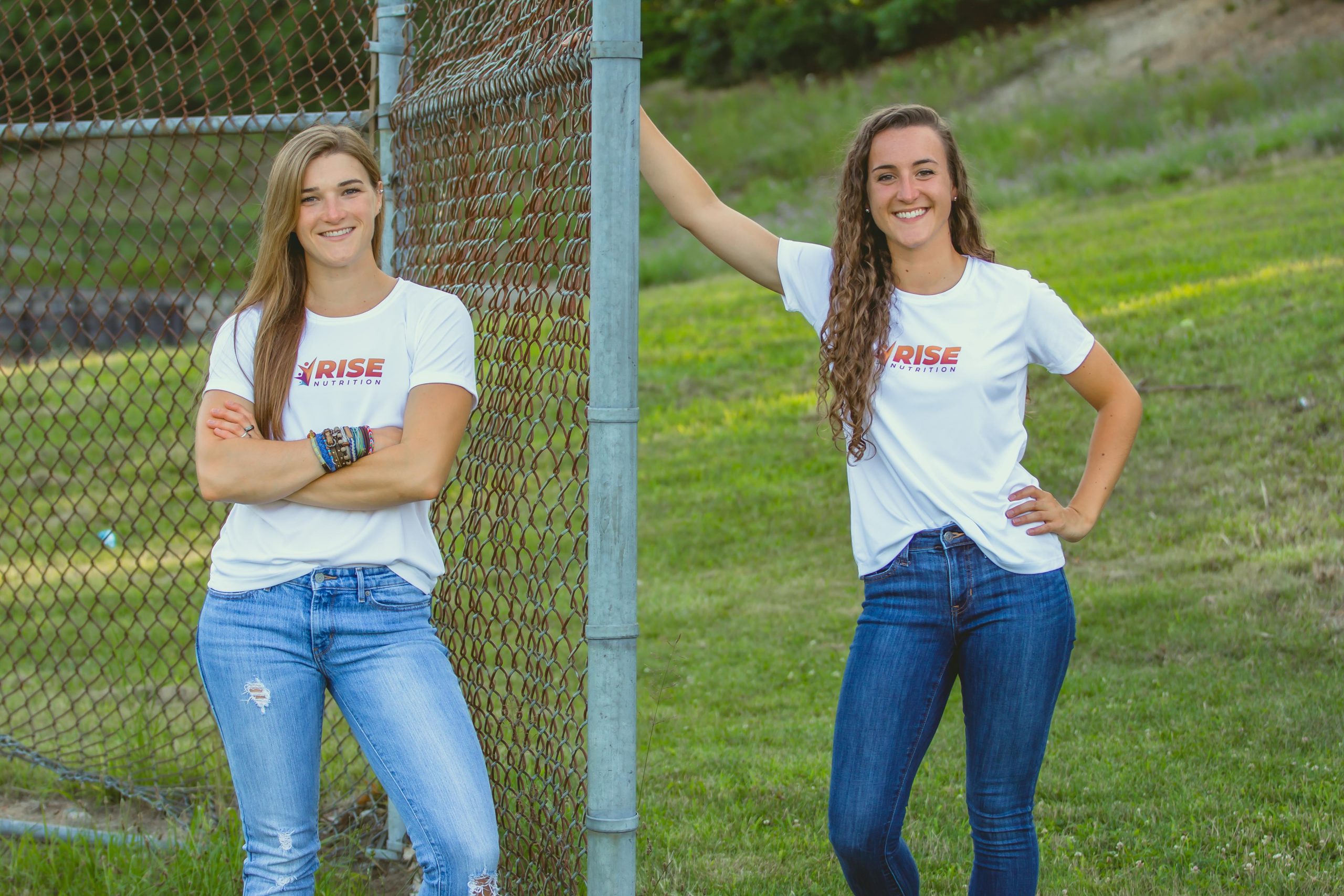
Rise Nutrition is a sport technology startup that uses a data-driven approach to optimise nutrition for elite athletic performance. Coaches, athletes, data scientists and dietitians can harness powerful insights into nutrition for peak performance through their platform. Founded by sisters, Kristan and Jesse Papirio, the company’s proprietary databases are sport and position specific and support the precise needs of each individual competitor. When first developing their digital platform, Fuel to Rise, and after meeting Interface’s Senior Innovation Engagement Lead Louise Arnold at an event, they began working with multiple universities, each bringing their expertise to the table.
In collaboration with researchers at Heriot-Watt University, the company developed the platform’s core technology to personalise nutrition recommendations for individual athletes using machine learning techniques based on sport, position, consumption patterns, food preferences, economic and geographical factors. This collaboration enabled the company to launch its first product to market. They now work with teams, universities, and professional athletes in the UK, US, and globally.
The company has since worked with applied health scientists at the University of Aberdeen, Data Scientists from University of Stirling and digital students from Robert Gordon University on separate projects to enhance platform features and develop subsequent versions.
“Working with academics has been instrumental in the development of Rise Nutrition’s technology, scientific and research backed approach, and positioning as a thought leader in the sports nutrition space,” explained Kristan Papirio.
There is an abundance of collaborations between sports companies and academia, as well as a long summer of sport, so read about more of the work we do in this sector next month (July), including the latest in fan engagement and the wide scope of facilities on offer to businesses in Scotland’s universities and colleges.
Interface is here to help businesses and organisations realise their goals. Find out more about how we can help here.
Photo shows Jesse, left, and Kristan Papirio, founders of Rise Nutrition, who were supported by Interface’s Louise Arnold in reaching their business goal.